If someone knows their substance use is hurting them, why can’t they simply stop?
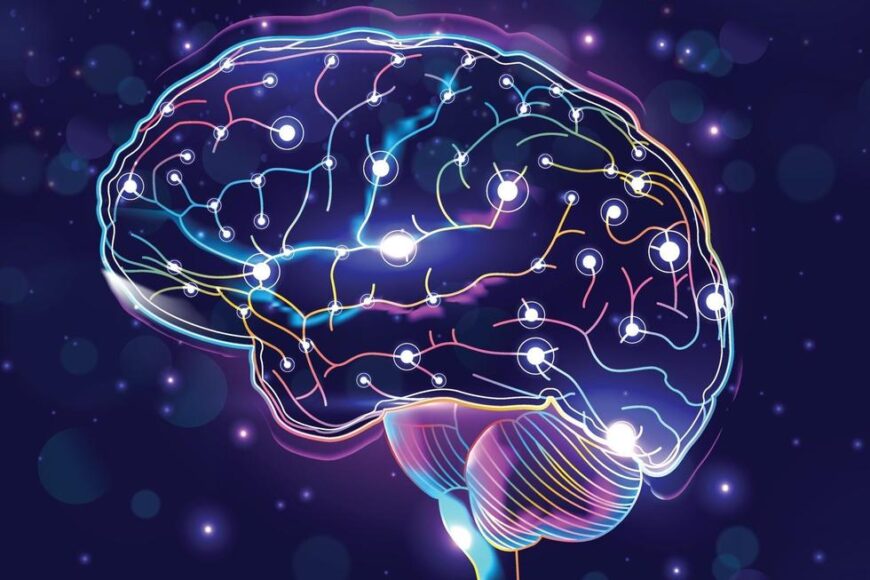
It’s easy to think of substance use as a matter of choice or willpower. But addiction is much more complex than that. Repeated substance use can change how the brain works, particularly in areas involved in reward, motivation, decision-making, learning, memory, and self-control. These changes can make it increasingly difficult for someone to stop using, even when they want to.
The Brain’s Reward System
One of the main ways addictive substances affect the brain is through the reward system. Normally, the brain releases dopamine in response to things that are rewarding or meaningful, such as eating, spending time with people we care about, or accomplishing a goal.
Many drugs can produce much larger or faster changes in the brain’s reward system than natural rewards. Over time, the brain adapts to these changes. Everyday activities may begin to feel less rewarding, while the substance and the experiences associated with it can become increasingly important.
What does this mean?
Addiction isn’t simply about someone choosing a drug over everything else. Repeated substance use can change brain systems involved in motivation and reward, which can make stopping much more difficult.
Why Does Tolerance Develop?
With continued substance use, the brain and body can become less responsive to the effects of a substance. This is known as tolerance.
When tolerance develops, a person may need more of a substance to experience the same effects. Tolerance and addiction are not the same thing, but tolerance is one way repeated substance use can change how the brain and body respond.
It’s Not Just About Getting High
Addiction isn’t only about the effects of a substance. Over time, cravings, stress, emotions, and environmental cues can all play a role in continued substance use.
The brain can begin associating certain people, places, emotions, or situations with substance use. These associations can trigger cravings, even when someone isn’t actively thinking about using.
What does this mean?
Someone may experience a strong urge to use simply because they are in a familiar place, around certain people, experiencing a particular emotion, or dealing with stress. The brain has learned to associate those experiences with substance use.
Addiction Can Affect Decision-Making
Addiction can also affect areas of the brain involved in judgment, impulse control, decision-making, and planning. These changes can make it harder for someone to stop using, even when they understand that their substance use is causing harm.
This is one reason addiction is more complicated than a lack of willpower. Knowing something is harmful does not always make it easy to stop. Changes in brain systems involved in reward, motivation, and self-control can make it more difficult to resist substance use, particularly when cravings or stress are present.
What Happens When Someone Stops?
When someone stops using a substance, the brain may need time to adjust to functioning without it. Depending on the substance and the individual, this can lead to withdrawal symptoms, cravings, and changes in mood or emotions.
Cravings can also continue after someone stops using because the brain has learned associations between the substance and certain experiences or situations.
Stopping substance use doesn’t necessarily mean that cravings or other challenges disappear immediately. Recovery can involve learning how to manage cravings, stress, emotions, and situations that may trigger the desire to use.
Can the Brain Change Again?
The brain is not fixed. It can adapt and change based on experiences, learning, and behavior. This ability is known as neuroplasticity.
The same brain that can adapt to repeated substance use can also adapt during recovery. With treatment, support, and time, people can work toward healthier patterns and develop new ways of responding to cravings, stress, and other challenges.
Recovery is not simply about stopping substance use. It can also involve addressing the biological, emotional, and behavioral changes associated with addiction.
Why Understanding the Brain Matters
Understanding how addiction affects the brain can help reduce stigma.
People struggling with addiction aren’t simply lacking motivation or self-control. There are real changes happening in brain systems that influence reward, motivation, decision-making, and behavior.
Understanding the science doesn’t mean excusing harmful behavior. Instead, it can help us approach substance use with greater knowledge and compassion while recognizing why prevention, treatment, and recovery support are so important.
Why This Matters for Prevention
Understanding how substances can affect the brain is especially important when it comes to prevention.
When students, families, educators, and communities have accurate information about substance use and addiction, they can have more informed conversations, recognize potential risks, and make better-informed decisions.
For Change the Outcome, education is an important part of prevention. Helping young people understand the science behind addiction can help replace misconceptions with knowledge, reduce stigma, and encourage conversations about substance use before problems begin.
The more we understand about addiction, the better equipped we are to prevent substance-related harm, support people in recovery, and change the way we talk about substance use.