Most people have experienced some form of withdrawal, even if they have never thought of it that way. For example, someone who regularly drinks coffee may develop a headache, feel tired, or become irritable if they suddenly stop consuming caffeine. Although caffeine withdrawal is usually mild and temporary, it can help illustrate the basic idea behind withdrawal more generally.
Over time, the brain works to maintain a sort of chemical balance. When a physically-addicting substance is consistently present, the brain adjusts how it produces or responds to certain chemicals. Once the substance is no longer there, the body needs time to readjust, and that adjustment process can produce physical and emotional symptoms.
With substances such as opioids, alcohol, or benzodiazepines, this process can become especially intense. Opioid withdrawal, for example, may involve severe body aches, nausea, sweating, chills, anxiety, insomnia, and intense cravings. Alcohol and benzodiazepine withdrawal can even be life-threatening in some cases. One reason these withdrawals can feel so overwhelming is that these substances affect systems in the brain that regulate stress, mood, sleep, and physical comfort. When those systems suddenly lose the substance they have adapted to, the body reacts strongly while trying to regain stability.
This experience can make stopping substance use feel extremely difficult, even for someone who genuinely wants to quit. It is important to understand that overcoming withdrawals is not simply a matter of “trying harder.” Physical dependence can create symptoms that are profoundly uncomfortable and, in some cases, medically risky.
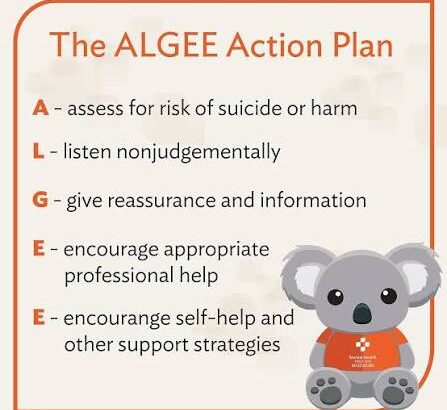
Help can take many forms. For some individuals, talking with a healthcare provider is the safest first step, especially when opioids, alcohol, or benzodiazepines are involved. Medical professionals can help determine whether supervised detox, medications, or other supports may be appropriate. Even smaller steps can make a difference, such as reaching out to a trusted adult, staying hydrated, and avoiding isolation during difficult moments. Support systems matter, and recovery is often more manageable when people do not feel they have to go through it alone.
Awareness is one of the most valuable tools we have in substance use and recovery work. Understanding what withdrawal is, why it happens, and how people can seek help reduces stigma and encourages safer decisions. The more informed communities become, the more prepared we are to support people through difficult moments.
What Is Drug Withdrawal?