How Do Opioids Affect the Developing Brain?
Opioids bind to receptors in the brain and body to relieve pain. They also affect the brain’s reward system, which reinforces behaviors and motivates people to repeat certain experiences.
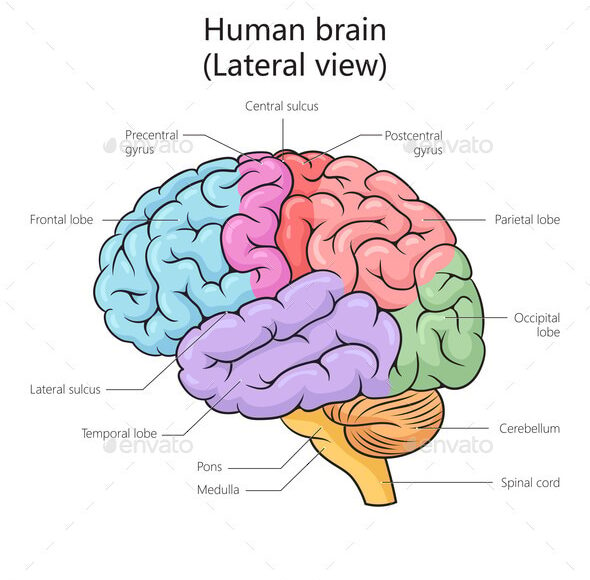
The prefrontal cortex, which helps people plan, control impulses, and consider consequences, continues developing into early adulthood. Other brain systems involved in motivation and emotional responses mature at different rates. During adolescence, experiences can influence developing habits and behaviors.
Research shows that starting substance use at a younger age is associated with a greater risk of developing a substance use disorder later in life. However, this does not mean every teen exposed to substances will develop an addiction. Factors such as genetics, stress, mental health challenges, social influences, and access to substances can also affect vulnerability.
How Can Opioid Use Influence Decision-Making Over Time?
With repeated use, the brain can adapt to opioids, potentially contributing to tolerance, physical dependence, and opioid use disorder. These changes may influence what a person prioritizes and how they respond to discomfort.
For example, a young person may initially associate opioid use with pain relief or temporary relief from emotional distress. As use continues, the substance may become increasingly important to their daily routine. Activities and relationships that once felt rewarding may receive less attention, while obtaining or using the substance takes up more time and energy.
These changes are not simply a matter of making poor decisions. Addiction involves changes in brain systems that influence motivation, learning, stress, and self-control. Understanding this helps us respond with support and appropriate treatment rather than judgment.
Why Does Prevention Matter?
Providing accurate information, healthy ways to manage stress, and supportive environments can help young people make informed decisions and seek assistance early. Parents, caregivers, and educators can help by discussing medication safety, answering questions without judgment, and encouraging teens to ask for help when needed.
It is also important to recognize the dangers of opioids. Taking medication that was not prescribed to you or using an unknown substance can be dangerous. If you suspect an opioid overdose, call 911 immediately and administer naloxone (Narcan) if available.
Understanding how opioids affect the developing brain is not about creating fear. It is about giving young people the knowledge and support they need to make informed decisions