When we talk about substance use disorder (SUD), it is easy to wonder why some people develop problems with substances while others do not. One part of the answer is genetics.
Research shows that genetics can influence a person’s likelihood of developing an SUD. Having a parent or close family member with an SUD can mean that a child may have a higher genetic vulnerability. However, this does not mean a child will develop an SUD or that a parent has caused it.
What Does Genetics Have to Do With It?
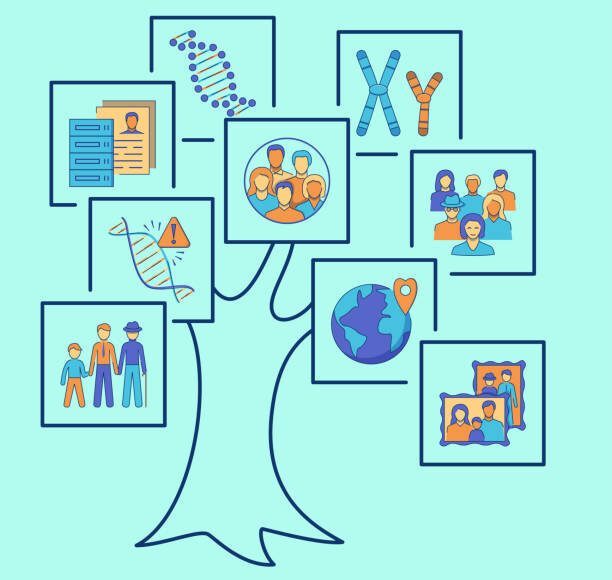
Our genes can influence many things, including how our brains respond to substances, how rewarding substances may feel, and how we respond to stress or other experiences.According to the National Institute on Drug Abuse (NIDA), genetics account for about 40-60% of a person’s vulnerability to addiction. This does not mean that 40-60% of someone’s future is determined by their genes. Instead, it shows that genetics are one part of a much bigger picture.A child who has a parent with an SUD may therefore have some genetic factors that increase their vulnerability. But genes are not the only factor involved.
Genes Are Not Destiny
A person’s environment, experiences, relationships, mental health, age of first substance use, and other factors can also influence their risk.This is why having a family history of SUD is best understood as a risk factor, not a prediction. Two people can have similar genetic vulnerabilities and have very different experiences with substances. Protective factors such as supportive relationships, positive connections at school, healthy coping skills, and early support can also make a difference.
Understanding Risk Without Blame
Talking about genetics can help us understand SUD as a complex health condition rather than a personal or family failure.Parents do not choose the genes they pass on to their children, just as children do not choose their genetic makeup. Understanding family history can simply give families another piece of information that may help them recognize risk and focus on prevention. Knowing that a child may have an increased vulnerability does not mean their future is already decided. It means there is an opportunity to provide support, build healthy coping skills, and make informed choices that can help reduce risk.