Hayden Panettiere was open about her struggles with addiction and mental health. She shared parts of her story publicly and helped bring important conversations about substance use, recovery, and mental health into the open.Her death is a painful reminder of something we need to understand about addiction:
Asking for help does not make someone immune to overdose.
We do not know all the circumstances surrounding Hayden’s death, and we should not speculate about what caused it. But her story can still encourage an important conversation about addiction, recovery, and the importance of continued support.
You Don’t Have to Hit Rock Bottom
Sometimes we think someone has to reach a crisis before they deserve help. They don’t.
Asking for help could start with someone realizing they’re using a substance differently than they used to, relying on it to cope with difficult emotions, or noticing that their choices are beginning to affect relationships, school, work, or everyday life.
Those moments matter.
You don’t have to wait until everything falls apart before asking for help.
Early support can be an important part of preventing problems from becoming more serious. Sometimes the first step is simply telling someone you trust, “I’m not doing okay.”
Recovery Isn’t a Straight Line
There is a misconception that once someone asks for help, enters treatment, or reaches a period of recovery, the danger is behind them. Addiction doesn’t work that way.Someone can genuinely want to recover and still experience cravings, relapse, or other challenges. A person can have periods of sobriety, a strong support system, and a sincere commitment to recovery—and still need continued support.
Relapse does not mean someone has failed.
It can mean that someone needs additional support, treatment, or a different approach to their recovery.Recovery is not a finish line. It is an ongoing process, and people deserve support throughout that process—not only when they are in crisis.
Shame Shouldn’t Stop Someone From Getting Help
Addiction is often surrounded by judgment. People may be called weak or irresponsible, or told that they should simply be able to stop. But shame doesn’t make it easier to ask for help.Instead of asking, “Why can’t you just stop?” we can ask, “What are you going through?”
Supporting someone doesn’t mean ignoring the seriousness of addiction. It means recognizing that struggling does not make someone a bad person—and that they should not have to face addiction alone.
Naloxone Can Save a Life
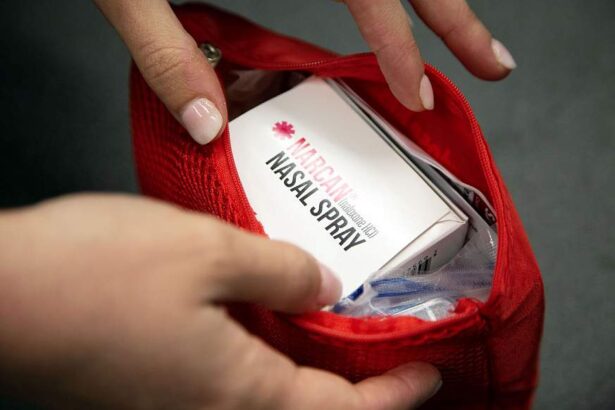
Naloxone, commonly known by the brand name Narcan, is an important tool in preventing overdose deaths. It can rapidly reverse an opioid overdose when given in time. Having naloxone available doesn’t mean someone expects an overdose to happen. It means being prepared to respond if one does.Naloxone doesn’t treat addiction, but it can help keep someone alive long enough to receive care and continue their recovery.
We Can Do More
Hayden’s life was much more than the struggles she experienced. She was a person with a career, relationships, accomplishments, and a story of her own. We can’t know what might have changed the course of her life. But we can decide how we respond when someone around us needs help.
Let’s make asking for help normal. Let’s make conversations about addiction without shame normal. And let’s remind people that they don’t have to reach their lowest point before they deserve support.
At Change the Outcome, we believe education is an important part of prevention. By helping young people, families, educators, and communities better understand addiction and overdose, we can reduce stigma, encourage informed conversations, and help prevent substance-related harm.
Asking for help should never be the end of the conversation. It should be the beginning of continued support.
Rest in peace, Hayden. 💜