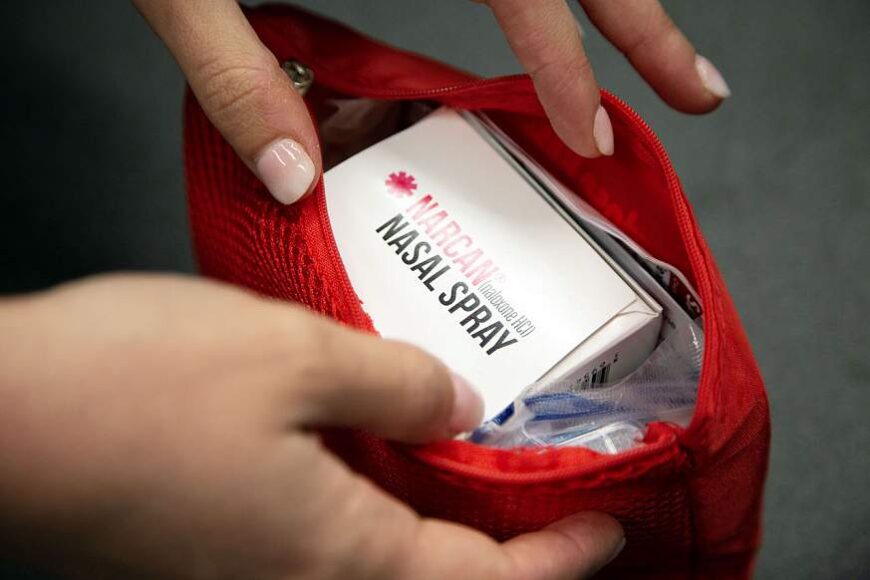
Many people have heard of Narcan, especially as it has become more available in schools, community organizations, and public spaces. It saves thousands of lives each year, but how does it actually work? Narcan has become one of the most important tools in responding to opioid overdoses, yet many people still wonder how a simple nasal spray can reverse a life-threatening emergency so quickly.
To understand how Narcan works, it helps to first understand what happens during an opioid overdose. Opioids work by attaching to specific receptors in the brain and body that help regulate pain. In addition to reducing pain, opioids can also slow certain automatic functions, including breathing. When too much of an opioid is present, these effects can become dangerous. The brain may stop sending strong enough signals to keep breathing at a safe rate, causing breathing to slow dramatically or stop altogether. Because the brain and body depend on oxygen to function, this lack of oxygen is what makes opioid overdoses so dangerous.
Narcan, also known as naloxone, works by attaching to those same opioid receptors. However, instead of activating them, it temporarily blocks opioids from using them. You can think of it as pushing opioids out of their parking spots and taking those spots away for a short period of time. When this happens, the opioids can no longer produce their effects, allowing normal breathing to begin returning. In many cases, a person who was unresponsive can regain consciousness within minutes after receiving Narcan.
It is important to remember that Narcan is temporary. Its effects can wear off before the opioid has fully left the body, which is why emergency medical care is still necessary even if someone appears to recover. Narcan is a powerful tool, but it works best as part of a broader emergency response. If Narcan is not immediately available, there are still important actions bystanders can take. Calling 911 should always be a priority when an overdose is suspected. If the person is not breathing normally, rescue breathing or CPR may help keep oxygen moving through the body until emergency responders arrive. Staying with the person and monitoring their condition can also make a significant difference during those critical minutes.
One of the most encouraging aspects of overdose prevention is that ordinary people can make an extraordinary difference. Whether it is carrying Narcan, learning CPR, or simply knowing when to call for help, small actions can save lives. Awareness and preparation give communities the tools they need to respond effectively, and every person who learns these skills becomes part of that effort.