Many people have heard the term “pressed pills” in recent years, especially in conversations about fentanyl and overdose prevention. However, there is still a lot of confusion about what these pills actually are and why they can be so dangerous. Because they are often designed to look nearly identical to legitimate prescription medication, pressed pills can be difficult to recognize without specialized testing.
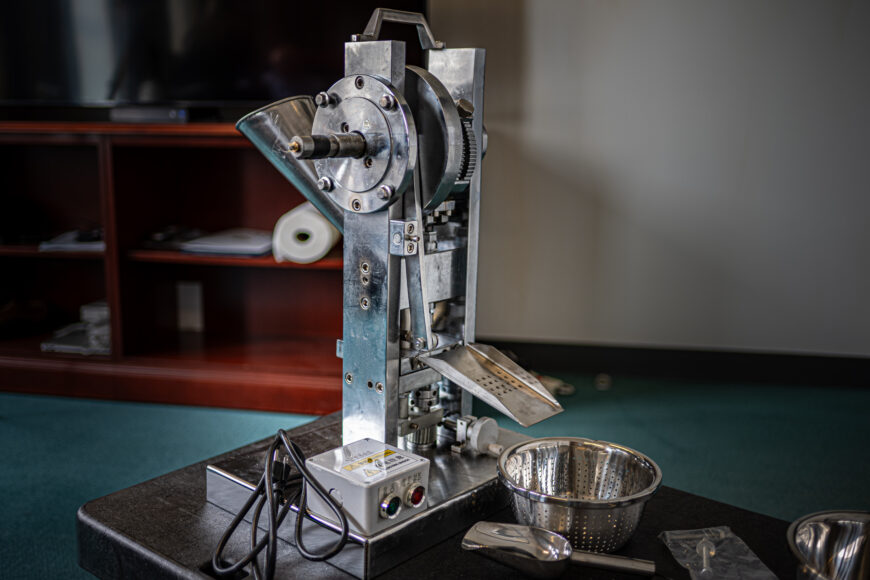
Pressed pills, sometimes called counterfeit pills, are pills that are made outside of regulated pharmaceutical systems using pill presses that shape powders into tablet form. These pills are often made to resemble prescription medications such as Percocet or Xanax, among other recognizable drugs. While they may look convincing, they are not produced in licensed pharmacies or controlled manufacturing facilities, which means there is no quality control over what they contain or how strong they are.
In many cases, pressed pills contain fentanyl, a powerful synthetic opioid. Fentanyl itself was originally developed for legitimate medical use, particularly for severe pain management in healthcare settings. Illicitly manufactured fentanyl, however, is produced illegally in unregulated labs. Because fentanyl is extremely potent, very small amounts can be used to produce a large number of pills, making it inexpensive and highly profitable to distribute. By pressing fentanyl into pills that resemble familiar prescription medications, dealers may make the product appear safer or more recognizable to buyers.
One of the most important things for young people and families to understand is that legitimate pharmacies remain one of the safest places to obtain medication. Prescription medications dispensed through licensed pharmacies are regulated, tested, and monitored for consistency and safety. Pressed pills purchased from unofficial or unknown sources do not have those safeguards, even if they appear identical to real medication.
Conversations about fentanyl and pressed pills can feel uncomfortable, especially with young people, but education remains one of the strongest prevention tools available. Helping teens understand that appearance alone does not guarantee safety can encourage more informed decisions. Open, calm conversations that focus on awareness rather than fear can make it easier for young people to ask questions and seek help when they need it.
Awareness does not solve every problem, but it creates opportunities for safer choices. The more communities understand about pressed pills, fentanyl, and the importance of trusted medical sources, the better prepared we are to reduce harm and support prevention efforts moving forward.