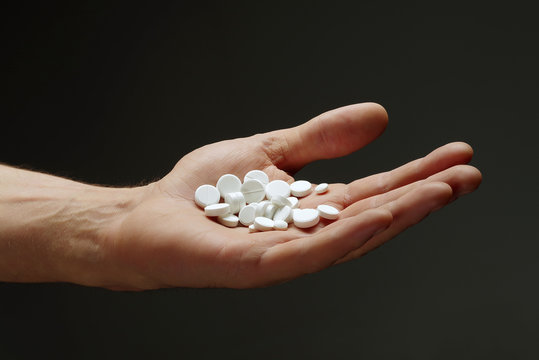
Pressed pills, sometimes referred to as counterfeit or fake pills, are tablets that are made to look like legitimate prescription medications but are produced outside of regulated pharmaceutical systems. These pills are often manufactured using pill presses that can replicate the size, shape, color, and markings of real medications such as oxycodone or alprazolam. However, instead of containing known and consistent ingredients, pressed pills may include a mix of unknown substances, most notably illicitly manufactured fentanyl.
These pills are typically made in unregulated environments, where there is no quality control or dosing consistency. A single batch can vary widely in potency, and even pills that appear identical may contain very different amounts of active substances. This unpredictability, along with the potency of fentanyl (doses as small as two milligrams may cause a fatal overdose), is one of the primary reasons pressed pills are associated with a high risk of overdose.
Despite these risks, pressed pills continue to be produced and distributed. From a supply perspective, they are relatively inexpensive to manufacture compared to obtaining or producing pharmaceutical-grade substances. Small amounts of fentanyl can be used to create a large number of pills, increasing profitability. From a demand perspective, some individuals may believe they are purchasing a familiar prescription medication, while others may not be aware of the variability in potency, and others still may prefer their strength (and cheap price) despite the risks. These factors contribute to the continued presence of pressed pills in the illicit drug supply.
Recent data from the Drug Enforcement Administration indicates that approximately 3 out of 10 illicit pills now contain potentially lethal doses of fentanyl. This reflects a notable decrease from the previous statistic, where the estimated rate was 7 out of 10. Although this trend is encouraging, it is important to understand that these percentages can shift over time based on changes in manufacturing practices, supply chains, and enforcement efforts. Even at lower rates, the presence of fentanyl in a portion of pills means that overdose risk remains significant and unpredictable.
When it comes to harm reduction, aside from Narcan, one of the most practical tools available to reduce risk is the use of fentanyl test strips. These strips allow individuals to test substances for the presence of fentanyl before use, providing an additional layer of information that can inform safer decisions. While not a guarantee of safety, they are a widely recognized harm reduction strategy supported by many public health organizations.
Awareness remains one of the most effective forms of prevention. Understanding what pressed pills are, how they are made, and why they carry risk allows individuals, families, and communities to make more informed decisions. As data continues to evolve and new tools become available, small steps, like staying informed and sharing accurate information, can contribute to meaningful reductions in harm.