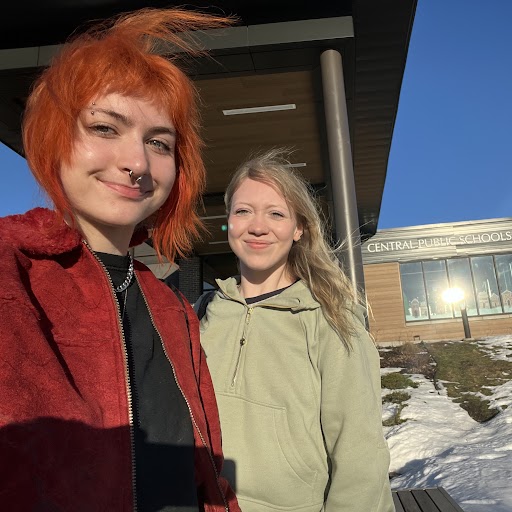
We started off 2026 talking about how we can help our children navigate the pressures around substance use in their lives. As advocates, we are always looking for ways to shield our youth from overdose, but as kids get older, they more and more often have to make their own decisions. So what are young people actually doing in their lives to cope with stress in healthy ways? Well, I spoke with two of our amazing program facilitators, Drey and Shayla, to find out! These two are both in their early twenties and have built intentional, substance-free coping strategies into their daily routines. Although their lives look different, both shared a common theme: healthy coping skills don’t eliminate stress, but they do make it manageable.
So let’s hear from Shayla first, whose approach to coping skills is all about using movement as medicine. Whether it’s going for a walk to get some steps in, some yoga, or going to the gym, getting active and outdoors is Shayla’s secret to success. It can be hard to take that first step into getting your body moving in a significant way on a regular basis, and Shayla shared some tips for how to get started. She told me that people can start small and that we don’t need to start with a miles-long run, a simple ten minute walk can be just as meaningful. I was also told that it can be a good idea to make it social by inviting a friend, which can help with accountability.
Drey, on the other hand, loves to use art as a way to express herself and get her head straight when her life gets stressful. She finds that she can breathe easier and take a more logical approach to what’s stressing her out when she’s drawing. But Drey has been working on improving her art skills for most of her life, so she offered some tips for newcomers on how to get started. The most important step, according to Drey, is to get rid of the pressure we put on ourselves to create something “good”. We shouldn’t be afraid to fail, and in fact it is this type of perfectionism that removes the space for creativity, which all artists need.
In conclusion, effectively using healthy coping skills on a consistent basis can be tricky, but there are many ways to ease into them at first! They key takeaway I found from interviewing Shayla and Drey about healthy coping skills is that it doesn’t matter what your specific strategy is, but that you are doing it regularly and allowing yourself to experience the activity freely, without feeling the need to overachieve or be “perfect”. Whatever your healthy coping skills are, we can all remember to be kind to ourselves!