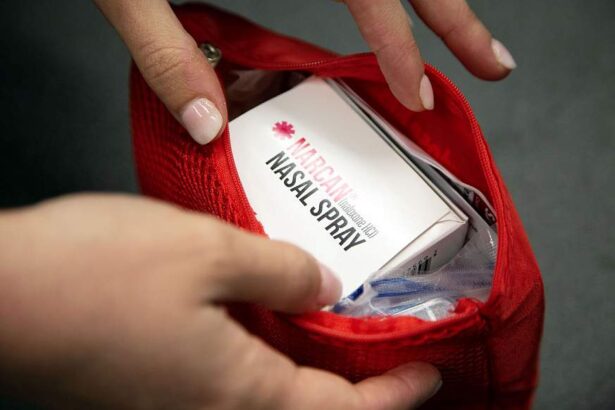
Last week we introduced our first spotlight topic of the year: how to talk to teens about overdose. We talked about the importance of creating cooperative dialogue with our children and went over some general approaches parents can take. This week we will go into more detail about specific strategies parents can use to open the door to this conversation without their child thinking of it as a lecture or interrogation.
One helpful approach is to lead with curiosity instead of fear. It’s normal for parents to feel scared when thinking about overdose, but fear-based conversations can shut teens down quickly. Asking open-ended questions like, “What do people your age know about fentanyl?” invites them to share what they know without feeling like they’re being tested or accused. You can also build trust by admitting that the drug landscape has changed and that you’re still learning. You might say, “When I was growing up, things were different, and I want to understand what it’s like for you now.” This frames the conversation as a partnership rather than a power struggle.
We also want to make sure teens know why you’re talking about overdose in the first place. Emphasize care, not control. Let them know that learning about overdose is about keeping people safe, not about assuming risky behavior. When teens understand that your goal is protection and honesty, they’re much more likely to stay engaged. Timing is also important. These conversations often go better when they’re not rushed or emotionally charged. Don’t expect everything to be covered in one talk, either. Repeated, smaller conversations over time can be more effective than one long, serious discussion.
Starting these conversations can feel uncomfortable, but discomfort is not a sign you’re doing it wrong. By approaching teens with openness, patience, and respect, we can help create the kind of dialogue that keeps young people informed, supported, and safer.